



New Energy Efficient Technology
New Energy Efficient Technology is Coming
From heating and cooling to electronics and appliances, it takes a lot of energy to power our daily lives. Our homes use 37 percent more energy today than they did in 1980. But without energy efficiency – through technology innovation and federal energy conservation standards – this number would be a lot higher. In fact, even though our total energy use has grown, our energy use per household is down about 10 percent, despite that our homes are larger and contain more devices.
1. SMARTER, MORE CONNECTED HOMES

New electronic devices and appliances can now be linked to the Internet to provide real-time data that makes it easier to understand energy usage and how to lower it.
Soon these technologies will be more cost effective and smarter. Wireless sensors developed at Oak Ridge National Laboratory will boost home energy efficiency through automated control systems for heating and cooling units, lighting and other systems that access data such as outside air and room temperature, humidity, light level, and occupancy all at a fraction of a cost of typical wireless sensors you see on the market today.
2. ULTRA-EFFICIENT HEAT PUMPS
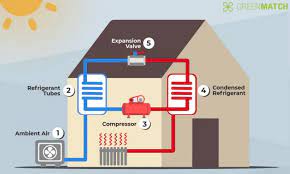
The next generation of heat pump systems will warm and cool homes by moving heat from one space to another. These include:
- A fuel-fired, multi-function residential heat pump that can reduce primary energy consumption by 30 percent.
- A natural gas heat pump and air conditioner that uses an ultra-low-emission combustion burner and other equipment to provide home heating, cooling and hot water.
- A low-cost gas heat pump designed to reduce heating costs by 30 to 45 percent compared to conventional gas furnaces and boilers.
3. CARBON-FIGHTING CLOTHES DRYERS
The same concept behind heat pump technologies that keep homes comfortable can also be used for drying your clothes. A new type of clothes dryer is in development that uses a heat pump cycle to generate hot air needed for drying. The result: a more efficient dryer that has the potential to lower energy consumption by 60 percent compared to conventional ones on the market today.
4. MAGNETIC REFRIGERATORS
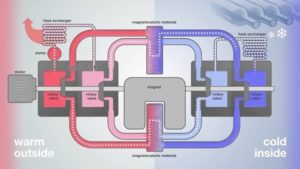
A revolutionary new type of refrigerator in development uses magnets to create cold, also known as the magnetocaloric effect (lowering or raising the temperature of material by changing the magnetic field). For the past 100 years, refrigerators have relied on a process called vapor compression that uses coolants which can be harmful to the environment. The new refrigerator is a revolutionary technology that uses a water-based cooling fluid, making it better for the environment and more efficient, which means lower energy bills and less carbon pollution.
5. ADVANCED WINDOW CONTROLS

New, highly insulated windows in development use sensors and microprocessors to automatically adjust shading based on the amount of available sunlight and the time of day to ensure proper lighting and comfort, saving consumers energy and money.
6. NEXT-GEN INSULATION

Insulation is one of the most important ways to reduce your home heating and cooling costs. A new foam insulation is being developed made with environmentally friendly and advanced composite materials that ensure heat doesn’t escape from the attic, walls and other areas of the home during cold winter months.
7. REFLECTIVE ROOFING MATERIALS
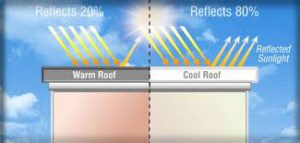
Cool roofs coated with materials containing specialized pigments reflect sunlight and absorb less heat than standard roofs. Expect these types of roof systems to get even “cooler” due to new fluorescent pigments that can reflect nearly four times the amount of sunlight of standard pigments.
8. BRIGHTER, BETTER LIGHTING
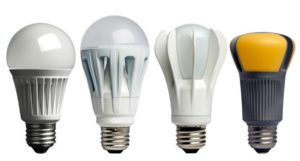
Light Emitting Diodes (LEDs) have come a long way, with today’s highest-performing lights consuming 85 percent less energy than incandescent bulbs. Research and development is underway to lower the cost of LEDs, while making them even more efficient and long lasting. LED efficiency is expected to double from the current 125-135 lumens per watt to 230 lumens per watt in the next few years as result of continued R&D.